
Holding All of You: Why Intersectionality Matters in Therapy
By Grayson Peavy, M.Ed.
What is intersectionality and why does it matter?
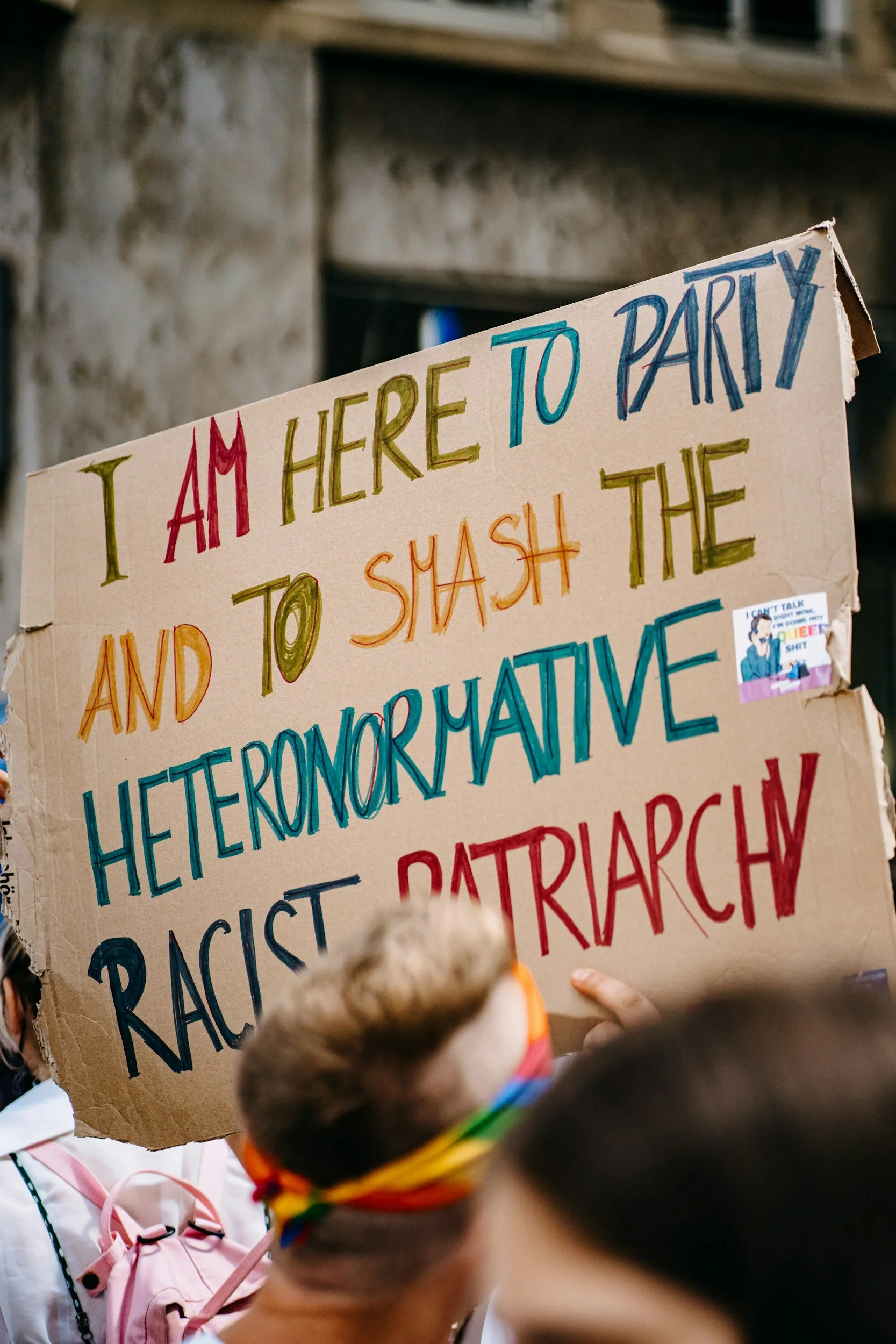
Intersectionality recognizes that all aspects of a person’s identity overlap and intertwine to shape who they are. These aspects can include gender, sexuality, race, class, religion, ability, and many other social and cultural identities. People are made up of layers, not a single defining feature.
For example, an individual may identify as a neurodivergent, spiritual, queer person from a low socioeconomic background, and these identities do not exist independently. They influence how a person understands themself and their community and shape how they experience the world, including exposure to stressors and their sense of safety and belonging.
What is the danger of viewing someone through a narrow lens in therapy?
Reducing a client to a single identity, such as “gay,” “an addict,” or “Black,” can cause harm through stereotyping, misdiagnosis, and an incomplete or inaccurate case conceptualization. For instance, a client’s hesitancy to be vulnerable in session may be interpreted as simple mistrust or depression, when in reality it could be a protective response shaped by cultural expectations, lived experiences of discrimination, or fear of systems that have historically favored those with privilege.
Without an intersectional lens, critical context is often missed.
Additionally, marginalization compounds. When an individual holds multiple marginalized identities, for example, a gay, disabled trans woman, they may experience homophobia, ableism, and transphobia simultaneously. These forces cannot be separated, as they affect housing security, physical safety, employment opportunities, healthcare access, and overall well-being. When a clinician recognizes and honors this complexity, they gain a deeper and more accurate understanding of the client’s lived reality.
What are the benefits of intersectionality in therapy?

An intersectional approach encourages culturally responsive and individualized treatment. Rather than using a one-size-fits-all model, clinicians are called to adapt their approach to the unique person in front of them. This creates a more respectful, relevant, and affirming therapeutic environment. Clients feel more seen and validated when their full identities are acknowledged, especially those who have experienced harm, erasure, or misunderstanding in previous therapeutic or medical spaces.
A systemic perspective is essential in understanding a client’s experiences. Structural racism, sexism, ableism, and other forms of oppression contribute directly to chronic stress, anxiety, and trauma. These systems of power and privilege also influence access to resources, including access to affirming and affordable mental health care. Prioritizing safety, empowerment, and autonomy aligns naturally with an intersectional framework. Trauma-informed care acknowledges the role of power and harm in the healing process. A person-centered lens honors the individual’s subjective experience. A social justice framework recognizes systemic impact. Intersectionality ties these perspectives together, making therapy more holistic and responsive.
Intersectionality highlights the external barriers clients may face on a daily basis. A client who misses sessions or expresses medical mistrust, for example, may not be “unmotivated” or “resistant,” but may instead be managing multiple jobs, unsafe transportation, financial instability, or past medical trauma. Understanding this context allows therapists to respond with increased compassion, flexibility, and collaboration in treatment planning.
The therapeutic alliance is strengthened when therapists recognize that the client is the expert in their experience. This encourages the therapist to assume less, listen more, and lead with curiosity. Such an approach fosters humility, mutual respect, and trust . . . all of which are essential for effective therapy.
Ultimately, an intersectional lens supports more accurate case conceptualization and more effective intervention. It promotes ethical, anti-oppressive clinical practice, strengthens the therapeutic alliance, and aligns with trauma-informed, person-centered, and social justice-oriented approaches.
What do therapists at The Gaia Center do to ensure clients obtain a framework of intersectionality?

Our first step in therapy at The Gaia Center in West Nashville is cultivating ongoing self-awareness and reflexivity. This means regularly examining our biases, identities, and privileges, and reflecting on how they shape our experiences as humans, clinicians, and consistent allies of our clients. We commit to noticing blind spots, leaning into the discomfort of growth, and keeping the focus on what best serves those we work with. Equally, we remain open to feedback without defensiveness, acknowledging when our perspectives may not fully align, and striving to foster the safest, most understanding, and supportive environment possible.
We utilize an intersectional approach in our assessments, intentionally conducting a holistic intake from the start to explore identity, culture, community, and experiences of oppression. When questions arise, we ask about your experiences in medical or institutional settings, any experiences of discrimination, and reflect with you on where you have and have not felt safety and belonging, as these are central to your care.
We demonstrate flexibility in our therapeutic approaches, pacing, and goals, intentionally adapting interventions to honor cultural and relational values. We avoid a rigid, one-size-fits-all approach and remain open, not married to any particular theoretical orientation or method, tailoring our work to the unique needs of each individual.
We prioritize trauma-informed care, creating therapy spaces that are safe, empowering, and centered on consent and autonomy. This means we actively consider the ways past experiences of trauma may impact your current life and interactions, and we adapt our approach to ensure that you feel supported, respected, and heard at every step of your therapeutic journey.

We emphasize relational accountability, understanding that the therapeutic relationship itself can be a powerful source of healing. We are committed to building trust, being transparent, and maintaining open communication. When challenges or misunderstandings arise, we are willing to repair ruptures and take responsibility for the impact of our actions, not just our intentions, fostering a collaborative and accountable environment.
We are also dedicated to advocacy and systems awareness. We recognize that oppressive systems, such as healthcare, legal, or social institutions, can create barriers to your wellbeing. We are here to support you in navigating these systems, whether that means writing letters, making referrals, or connecting you with community resources that affirm your identity and experiences. We consistently use correct names and pronouns, and we carefully avoid pathologizing or stigmatizing language, affirming your dignity and humanity in every interaction.
We maintain an ongoing commitment to learning. We actively engage in professional training, consultation, and community outreach to ensure our practice reflects current research, evolving language, and best practices in multicultural and LGBTQIA+ affirming care. This commitment allows us to continuously refine our approach and provide care that is responsive, inclusive, and aligned with your needs.
At The Gaia Center, we are dedicated to providing thoughtful, evidence-informed care that honors the full complexity of your experiences and identities.
Our approach is guided by principles of trauma-informed practice, relational accountability, and cultural humility, ensuring that therapy is both safe and effective. We strive to create a space where challenges can be explored with clarity and compassion, where growth is supported by reflection and collaboration, and where resilience and wellbeing are cultivated over time.
Our commitment extends beyond individual sessions, encompassing ongoing learning, advocacy, and attention to systemic barriers, so that our care remains current, inclusive, and responsive. Above all, our goal is to provide a therapeutic environment in which you feel respected, heard, and empowered to reach your goals and navigate your life with confidence. We value your unique perspective and experiences, and we are here to ensure that your journey is met with understanding and care every step of the way.
Our hope is that, together, we can foster insight, growth, and meaningful change that extends beyond the therapy space.
