
You know that special kind of emotional spiral that happens when you're getting ready to go somewhere, try on approximately 47 outfits, hate every single one, and eventually retreat to the same black ensemble you've been wearing since 2019? Your closet is technically full of clothes, yet somehow you have absolutely nothing to wear. And before you know it, what started as the relatively simple task of putting fabric on your body has turned into a full-blown existential crisis about your appearance, your identity, and whether you need to buy an entirely new wardrobe. (Or perhaps acquire an entirely new body, which diet culture would LOVE to help you attempt 🙄)
For something we do literally every day, getting dressed can carry an astonishing amount of emotional baggage. Our relationships with clothing are tangled up with body image, identity, social expectations, gender norms, and the ever-present pressure to look a certain way. And while the fashion industry would love for us to believe that the solution is simply buying the right clothes, the problem is often much deeper than what's hanging in our closets. What if getting dressed didn't have to feel like a daily referendum on whether our bodies are acceptable?
In Episode 57 of But For Real, therapists Valerie Martin and Emerson Ryder are joined by Dacy Gillespie, founder of mindful closet, to explore the surprisingly complicated psychology of personal style. Dacy is a weight-inclusive, anti-diet personal stylist who helps people reject restrictive fashion rules, question conventional beauty standards, and reconnect with their authentic sense of style. Her approach challenges the idea that our bodies need to be changed, disguised, or made more conventionally attractive before we're allowed to enjoy getting dressed. And as it turns out, learning to dress for yourself rather than everyone else's approval is about a whole lot more than fashion.
When Getting Dressed Becomes a Body Image Minefield
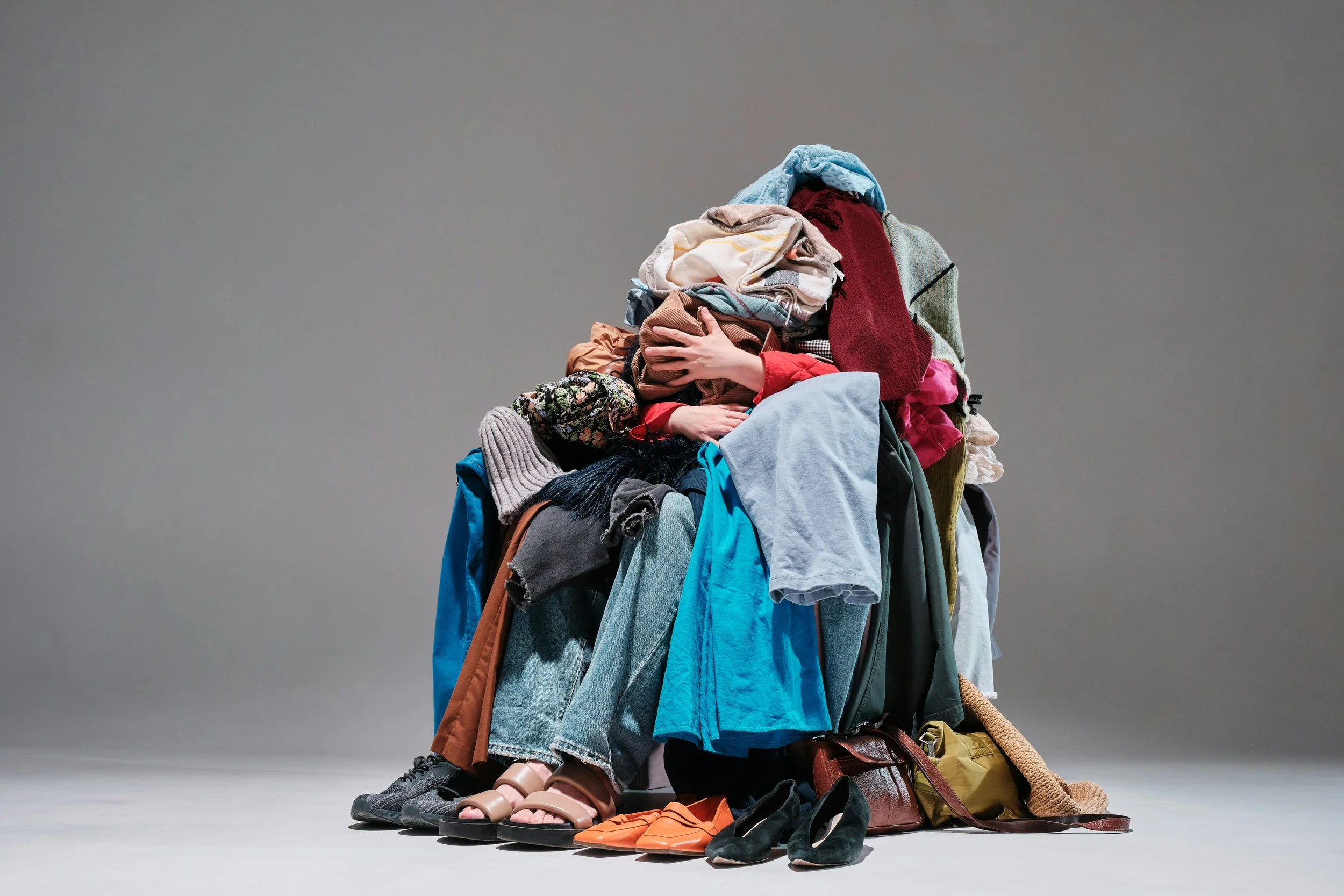
Somewhere along the way, many of us learned that clothing isn't just something we wear; it's something we're supposed to use to make our bodies look better. We've absorbed countless rules about which silhouettes are flattering, which colors we should avoid, which body parts we should emphasize, and which ones we should strategically conceal. These messages become so deeply ingrained that we often mistake them for our own preferences, without recognizing how much of our personal style has been shaped by other people's expectations. And when an outfit doesn't look the way we imagined, it's often our bodies that end up taking the blame.
But where did we get the idea that the primary purpose of clothing is to make our bodies appear closer to some arbitrary ideal? Diet culture and conventional fashion advice have spent decades convincing us that looking smaller, thinner, taller, or more proportionate should be our guiding objective when getting dressed. This creates a pretty fucked-up dynamic in which our clothes become another tool for evaluating and criticizing ourselves, rather than a means of comfort, creativity, or self-expression. It's worth asking whether we actually like the clothes we're wearing, or whether we've simply learned to appreciate the way they supposedly minimize our perceived flaws.
Dacy's work offers a radically different framework: instead of asking whether an outfit flatters your body, consider whether it reflects who you are and how you want to feel. Maybe you love oversized silhouettes, bright colors, dramatic shapes, or clothing that doesn't remotely follow the traditional rules for your body type. Maybe you prioritize softness, ease of movement, or sensory comfort over how something looks in a mirror. None of those preferences need to be justified by whether they make your waist appear smaller, because your body doesn't exist to satisfy someone else's aesthetic preferences.
The Very Real Problem of Size Scarcity
Of course, conversations about developing personal style can get a little ridiculous if we ignore the fact that not everyone has equal access to clothing. During the episode's Step Into My Office segment, Emerson shares her frustrations with shopping and finding clothes as a person in a larger body. She describes the experience of purchasing clothing simply because it fits, rather than because she genuinely loves it, and the difficulty of building a wardrobe that feels cohesive and authentic when options are limited. As she explains, shopping can start to feel less like an opportunity for self-expression and more like an exhausting scavenger hunt.
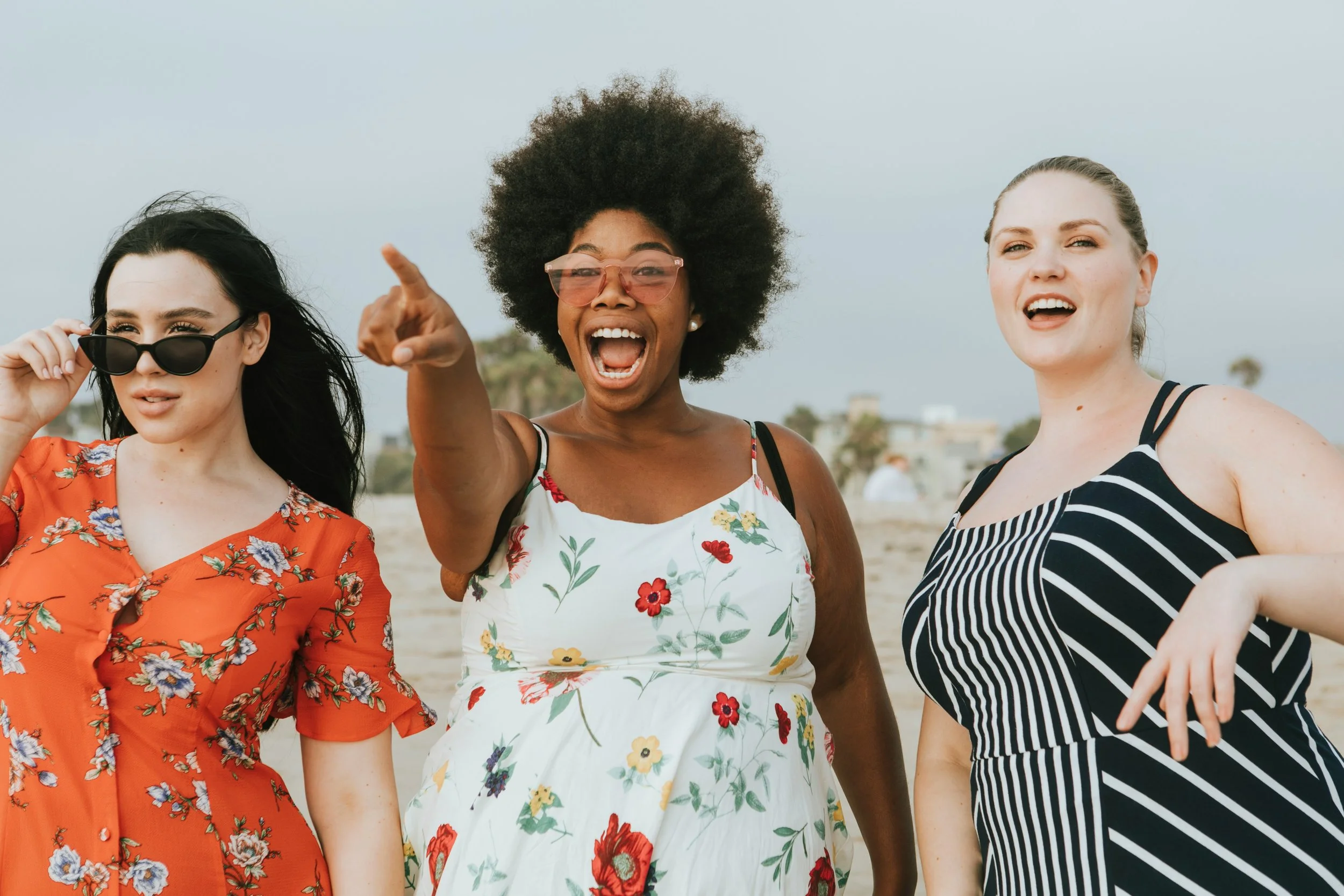
Dacy identifies this experience as size scarcity, and emphasizes that it's not some imaginary limitation people can overcome by simply changing their mindset. When clothing manufacturers offer limited sizing, particularly in styles that are affordable, accessible, and actually desirable, shoppers in larger bodies have fewer opportunities to experiment with fashion. Finding something that fits can become such a rare victory that buying it feels almost obligatory, even when the garment doesn't reflect your personality or preferences. Over time, that scarcity can fundamentally shape your relationship with shopping, making it harder to distinguish between what you genuinely want and what you've learned to settle for.
This distinction matters because we're living in a culture that loves to individualize systemic problems, particularly when those problems affect people in marginalized bodies. It's easy to tell someone to love their body, embrace their style, or stop worrying about what other people think, but those messages ring pretty hollow when the fashion industry refuses to provide meaningful options for them. Body acceptance doesn't magically eliminate inaccessible sizing, limited inventories, or the higher costs that can accompany finding clothing outside mainstream size ranges. Sometimes the problem isn't a lack of confidence, creativity, or self-love; it's an industry that has repeatedly failed to accommodate the people it's supposedly serving.
Your Clothes Are Supposed to Fit Your Body, Not the Other Way Around
Let's talk about the clothes we're keeping for some hypothetical future version of ourselves. Maybe it's the jeans from five years ago that haven't fit since your body changed, or the expensive dress you bought with the intention of wearing it after losing weight. Perhaps it's an entire section of your closet that functions less like a wardrobe and more like a museum dedicated to who you used to be, or who you believe you're supposed to become. Whatever the specifics, these garments can carry an enormous amount of emotional meaning, especially in a culture that treats weight changes as moral victories or failures.
One of the central ideas in this conversation is learning to dress the body you have right now, rather than withholding enjoyment until some imagined future transformation. This doesn't mean you have to feel completely at peace with every aspect of your appearance, nor does it mean that body image struggles will disappear once you find a great pair of pants. It means questioning the assumption that access to comfort, creativity, beauty, and self-expression should be contingent on changing your body first. Your current body is not a temporary inconvenience standing between you and the life you're allowed to enjoy.
There can also be genuine grief involved in recognizing that clothes from an earlier chapter of your life no longer fit, whether because of aging, illness, disability, pregnancy, weight changes, or any number of other circumstances. Clothing can represent memories, identities, aspirations, and periods of our lives that we're not quite ready to release. Acknowledging those feelings is different from allowing a closet full of uncomfortable reminders to dictate how we feel about ourselves every morning. We can make room for the emotional complexity of changing bodies while still recognizing that we deserve clothing that works for the bodies we're living in today.
What If Being "Flattering" Isn't the Goal?
The word flattering gets thrown around constantly in fashion advice, usually without much consideration of what it's actually communicating. When someone tells us that a particular outfit is flattering, what do they mean, and whose standards are they using to make that judgment? More often than not, the implication is that the clothing makes a person's body look closer to whatever proportions our culture currently considers ideal. Beneath the seemingly harmless comment is a much larger set of assumptions about which bodies are acceptable and which ones need visual correction.
Dacy's approach to personal styling challenges the idea that making ourselves appear smaller or more conventionally attractive should be the ultimate goal of getting dressed. Her work explicitly examines the influence of patriarchy, white supremacist beauty standards, and capitalism on the rules we've been taught to follow. These forces shape not only which bodies are celebrated, but also which clothing choices are considered appropriate, professional, feminine, attractive, or worthy of approval. When we begin recognizing those influences, personal style becomes an opportunity to question the rules rather than simply becoming better at following them.
And this is where the conversation moves beyond fashion into something much more psychologically interesting. How often are we making decisions about our appearance based on genuine desire, and how often are we trying to manage other people's perceptions of us? There's a significant difference between choosing an outfit because you enjoy how it looks and feels, and choosing it because you're afraid of how others might respond if you wore something different. Developing personal style can become a practice in noticing that distinction and allowing your own preferences to matter.
Reconnecting With Your Personal Style
If you've spent years dressing according to fashion rules, body insecurities, or whatever happened to be available in your size, figuring out what you actually like may not be particularly straightforward. It's difficult to develop a strong sense of personal style when you've been taught to prioritize looking acceptable over feeling authentic. And for people who have experienced significant body changes or lived with limited clothing options, even identifying their preferences can require some exploration. The question shifts from "What am I supposed to wear?" to "What would I choose if I weren't trying to satisfy everyone else's expectations?"
One useful place to begin is by paying attention to the clothing you naturally gravitate toward, rather than what you think you should be wearing. Notice which pieces feel comfortable, which colors or textures bring you joy, and which outfits make it easier to move through your day without constantly monitoring your appearance. Consider the styles you admire on other people, especially the ones you've dismissed because you assumed they wouldn't be appropriate for your body. These observations can offer clues about what feels authentic to you, without requiring an expensive wardrobe overhaul or an entirely new aesthetic identity.
It's also worth examining the difference between wanting something because you genuinely enjoy it and wanting it because you've been convinced that owning it will make you more attractive, acceptable, or complete. Fashion marketing thrives on persuading us that we're perpetually one purchase away from becoming a better version of ourselves. But developing a more intentional relationship with clothing doesn't have to mean buying more, following every trend, or turning your closet into another elaborate self-improvement project. It begins with giving yourself permission to enjoy what you already love and question the expectations you've inherited.
It's About More Than the Clothes
One of the most compelling aspects of Dacy's philosophy is the connection between listening to yourself about clothing and learning to trust yourself in other areas of life. On her website, she describes how experimenting with her own wardrobe eventually helped her recognize that other parts of her life weren't aligned with her needs, preferences, or values. Paying attention to what felt comfortable and authentic became a way of reconnecting with her own internal guidance. In that sense, getting dressed can be a surprisingly accessible place to practice the bigger work of living more intentionally.
This resonates with something we talk about often at The Gaia Center: the importance of reconnecting with ourselves rather than spending our lives attempting to meet external expectations. So much of our emotional energy gets consumed by monitoring how we're perceived, whether we're doing things correctly, and whether we're measuring up to standards we never consciously chose. Those patterns don't magically disappear because we decide to wear a funky outfit, but small moments of self-trust can create opportunities to relate to ourselves differently. Getting dressed might seem like a trivial place to begin, but the underlying questions about autonomy, identity, and belonging are anything but trivial.
Ultimately, the goal isn't to become someone who loves every outfit, feels confident every day, or never experiences a difficult moment in front of the mirror. It's to build a relationship with your body and your clothing that allows for a little more curiosity, flexibility, and freedom from constant self-evaluation. Your style doesn't have to follow a predetermined set of rules, and it certainly doesn't have to revolve around making your body more palatable to other people. You deserve to wear things that feel like you, even if those things don't fit neatly into somebody else's definition of flattering.
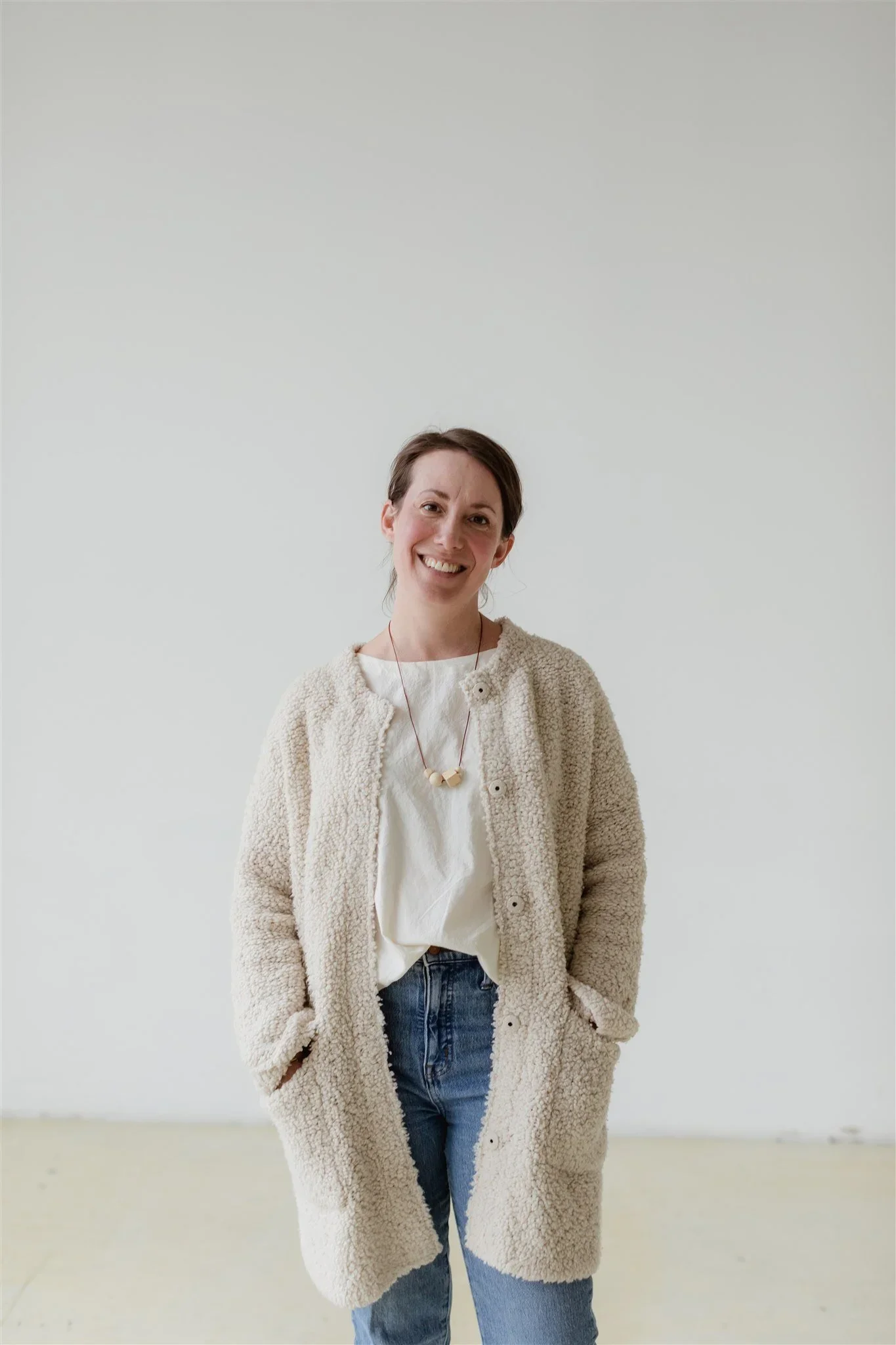
Meet Dacy Gillespie: The Personal Stylist Helping Us Break Up With Fashion Rules
If you've ever looked at a closet full of clothes and wondered why the hell getting dressed feels so complicated, Dacy Gillespie gets it. As the founder of mindful closet, Dacy is a weight-inclusive, anti-diet personal stylist helping people ditch arbitrary fashion rules, oppressive beauty standards, and body shame. After navigating her own frustrations with clothing, changing bodies, and the pressure to dress according to everyone else's expectations, Dacy realized that the problem wasn't her inability to figure out fashion. It was that she'd spent so long listening to external expectations that she'd lost touch with what actually felt good to her.
Dacy launched mindful closet in 2013 with a radically different approach to personal styling. Rather than helping clients camouflage their supposed flaws or dress to create the illusion of a more socially acceptable body, she encourages them to question where those expectations came from in the first place. Her work explores how patriarchy, white supremacist beauty standards, capitalism, and diet culture influence our relationships with clothing, often convincing us that certain bodies need to be hidden, minimized, or corrected.
Learn more about Dacy Gillespie and mindful closet:
Website: https://www.mindfulcloset.com/about
Newsletter, unflattering: https://dacygillespie.substack.com