
When Faith Hurts the Nervous System: Religious Trauma, Anxiety, and Depression
By Kaela Buggy, Masters Level Intern
For many people, faith is a source of grounding, meaning, and connection. For others, though, faith may feel intertwined with anxiety, shame, and despair in ways that are difficult to name, especially when the language available to describe that pain feels forbidden or inadequate.
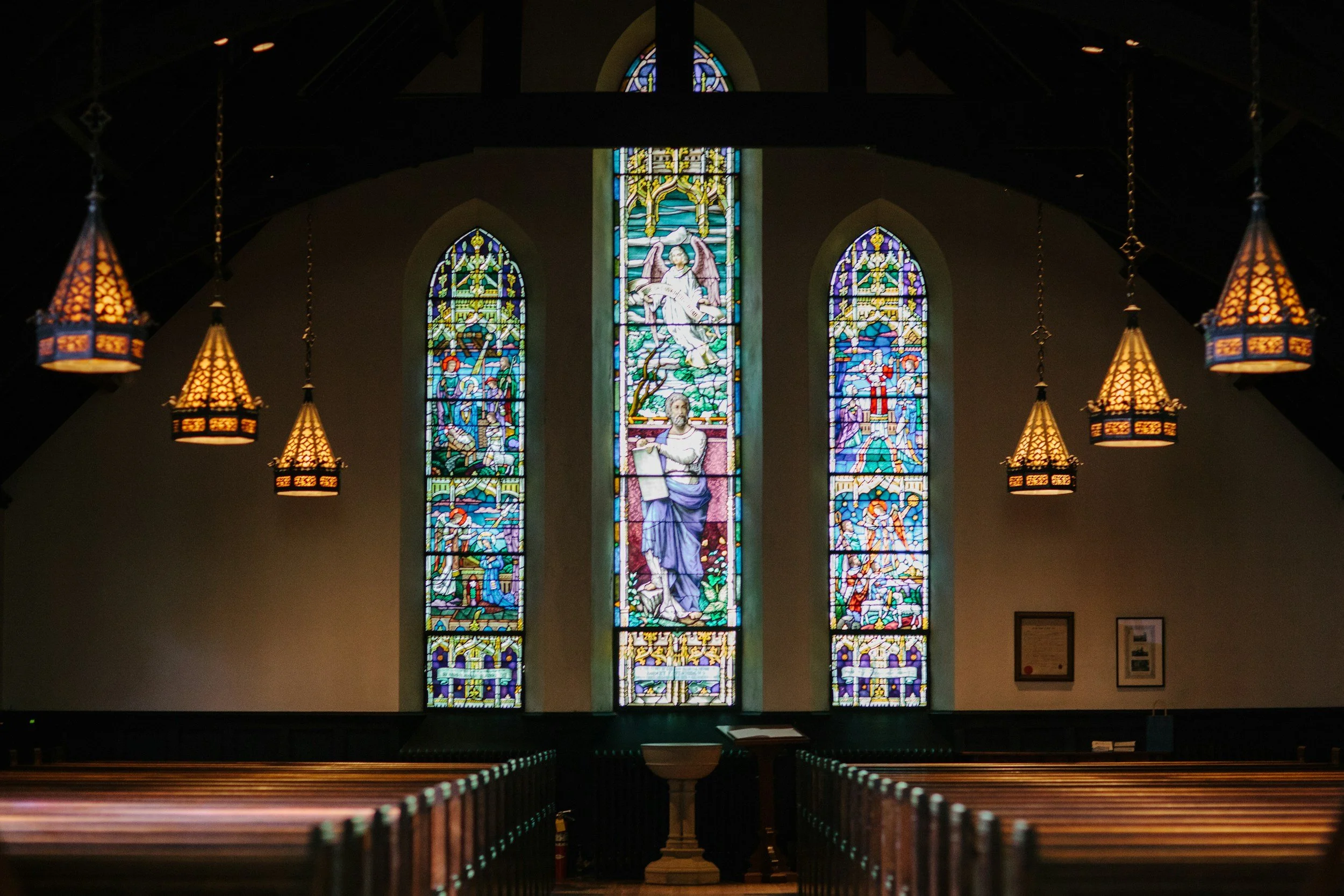
In recent years, the link between mental health struggles like anxiety and depression and religious trauma has become more widely recognized. This is not because religion is inherently harmful, but because certain ways of teaching, practicing, and enforcing belief can leave lasting psychological and physiological imprints.
These imprints often show up not as a singular crisis, but as chronic tension, self-doubt, emotional numbness, or a persistent sense that something is “wrong” inside. I have come to understand this more by engaging with spaces like the Dr. Hillary McBride’s Holy/Hurt podcast, as well as the work of clinicians, theologians, and researchers exploring the intersection of faith, embodiment, and trauma.
These people and spaces have helped me, and many others, to name what people have felt for years but struggled to articulate. Religious trauma is often subtle. When people think of religious trauma, they often imagine extreme or overt abuse: cults, public shaming, threats of damnation, or rigid authoritarian control. While those experiences are real and deeply harmful, many people experience religious trauma in quieter, more normalized ways.
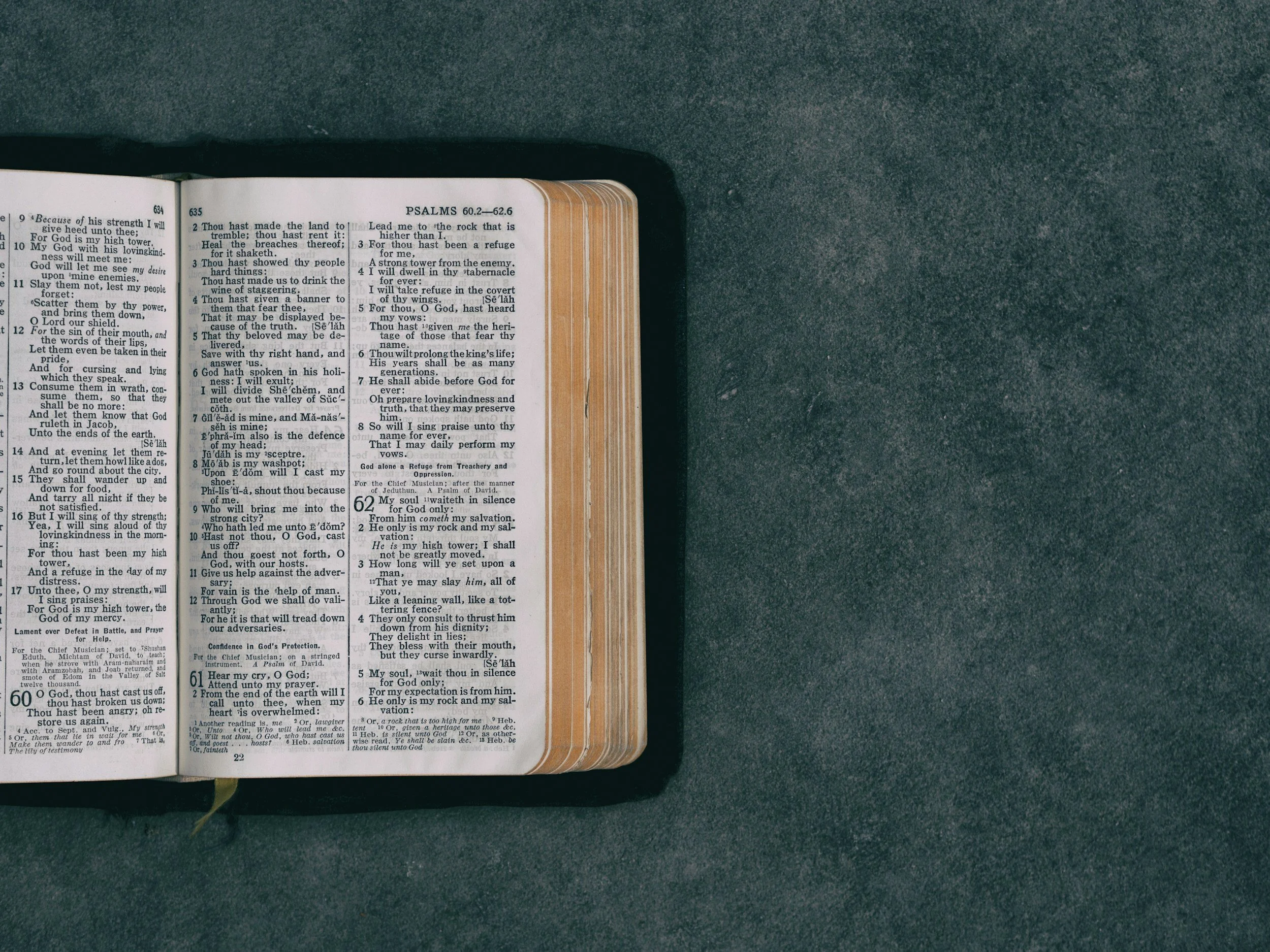
It can emerge through messages like:
“Your emotions are unreliable.”
“Your body can’t be trusted.”
“Doubt is dangerous.”
“Obedience matters more than understanding.”
“Suffering is virtuous.”
These messages may be delivered gently, repeatedly, and by well-meaning people. Over time, they shape how individuals relate to themselves and to authority. Sometimes religiosity teaches people to override their instincts, suppress curiosity, and mistrust their inner world. And because these messages are often framed as divinely sanctioned, questioning them can feel not only unsafe, but morally wrong.
One of the most important contributions of Holy/Hurt is its insistence that harm does not require malicious intent. A community can be loving and still be wounded. A belief system can offer comfort and still cause pain. These realities can coexist. Naming that complexity is often the first step toward healing.
Anxiety as a Nervous System Response to Faith-Based Pressure

From a psychological perspective, anxiety is not a character flaw, but a survival strategy. It develops when the body learns that mistakes, uncertainty, or nonconformity carry significant consequences. In many religious environments, the stakes are framed as eternal. Heaven and hell. Salvation and separation. Faithfulness and failure. When people are taught, be it implicitly or explicitly, that their thoughts, desires, or questions could jeopardize their standing with God, the nervous system learns to stay vigilant. Hypervigilance becomes devotion. Self-monitoring becomes holiness. Fear becomes discipline.
Much of the contemporary work around religious trauma draws attention to the body’s role in this process. One voice I personally return to often is Hillary McBride, whose writing and teaching emphasize that trauma is about what the body had to do to survive the environment it was in. Her work helps illuminate how faith systems that prioritize certainty, control, or perfection often require the body to suppress emotion, disconnect from sensation, and remain on constant alert. Over time, this can manifest as chronic anxiety, panic symptoms, obsessive thinking, or a persistent sense of danger even in moments that are objectively safe.
At the same time, Dr. McBride is just one voice among many doing thoughtful, life-giving work in this area. Survivors, therapists, pastors, scholars, and creators across disciplines are contributing language, research, and compassion to a conversation that is long overdue.
Depression as Collapse, Not Failure
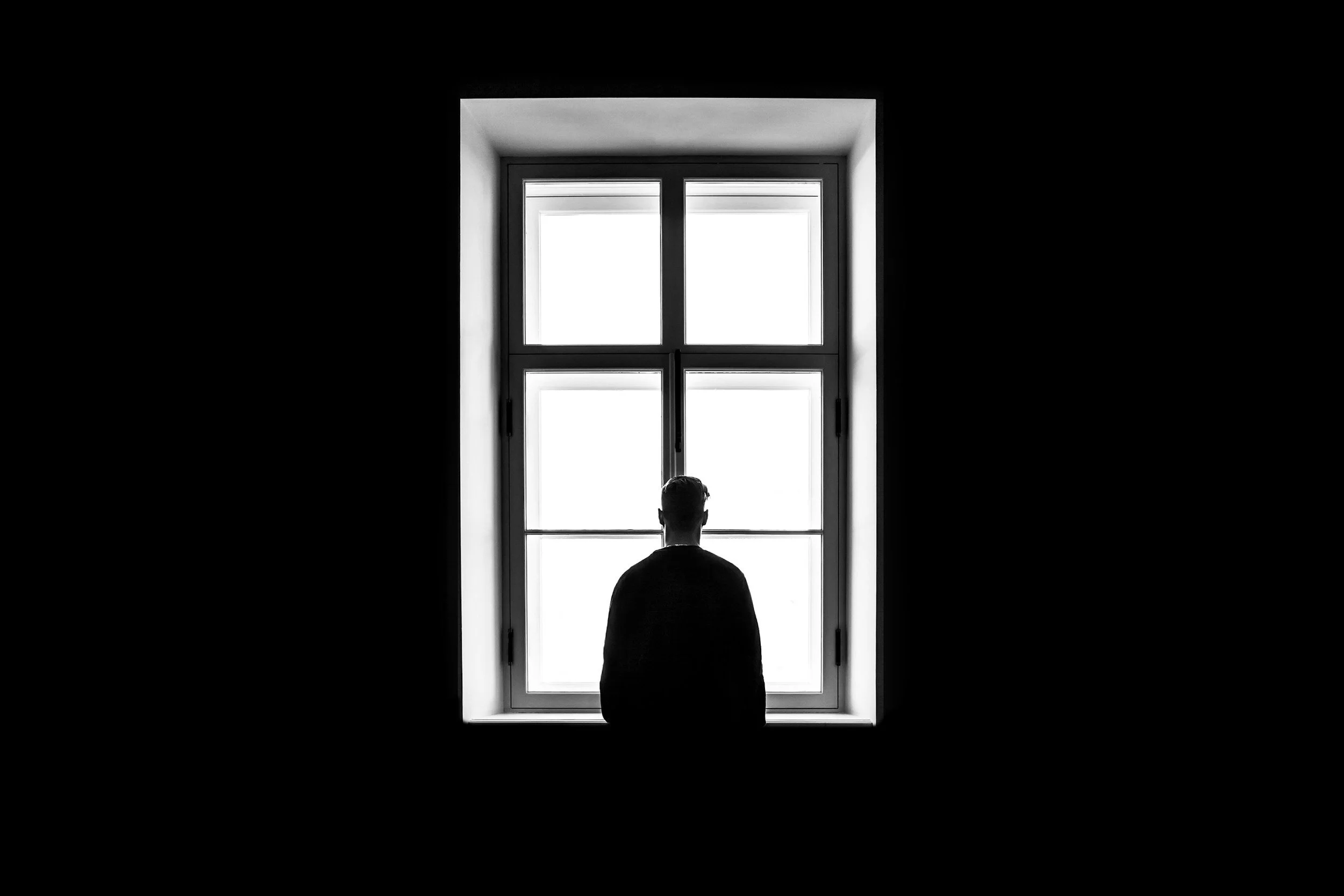
If anxiety reflects a nervous system stuck in overdrive, depression often reflects the opposite: collapse. In religious contexts, depression is frequently misunderstood as a lack of faith, gratitude, or spiritual discipline. People are told to pray more, trust harder, or search themselves for hidden sin. While these responses may be well-intended, they often deepen shame and isolation, making it harder to seek help or speak honestly.
A trauma-informed lens offers a different understanding. Depression can be the body’s way of conserving energy after long periods of self-surveillance, fear, or emotional suppression. It is not a moral failing it is a protective response.
Embodiment-focused approaches remind us that healing does not happen solely through changing beliefs or adopting new theological frameworks. It happens through restoring safety in the body—learning to notice sensation, emotion, and impulse with curiosity rather than judgment, and slowly rebuilding trust with one’s internal world.
Holding Both Grief and Gratitude
One of the most tender aspects of religious trauma is that it often involves loss alongside love. Many people grieve the harm they experienced while still feeling gratitude for aspects of their faith that once sustained them. They may miss the music, the rituals, the language, the sense of transcendence or belonging even as they work through anger, betrayal, or disillusionment. This complexity can be hard to hold in spaces that demand clear answers: stay or leave, believe or reject, heal or forgive. In reality, religious trauma often requires a both/and posture. We can cultivate one that allows room for grief and gratitude, rupture and reverence.
At The Gaia Center in West Nashville, this kind of complexity is welcomed rather than resolved prematurely. For some, therapy is a place to process spiritual trauma and disentangle harmful beliefs from their sense of self. For others, it is a space to reconnect with spirituality or religious identity in ways that feel embodied, spacious, and self-directed. And for many, it is both. There is room to mourn what was lost, name what was harmful, honor what was meaningful, and explore what spirituality might look like now (if it belongs at all for you in this season). Rather than assuming a single outcome, the work is about attunement: listening closely to how faith, doubt, or spirituality live in the body, and responding with care rather than coercion.
Religious trauma often leaves people feeling broken, behind, or spiritually deficient. In reality, many are deeply reflective, resilient, and perceptive. Having to learn to navigate complexity long before you have language for it requires strength! Healing is rarely linear. It may involve grief for what was lost, anger for what was taken, and curiosity about what might be reclaimed. It may involve therapy, community, creativity, or long seasons of rest.
What matters most is this: anxiety and depression that emerge in religious contexts are not signs of weakness. They are signals that act like messages from the body asking for safety, permission, and care. Those needs are not unspiritual. They are deeply human.
