Healing in a City That Performs: Eating Disorder Recovery in Nashville's Entertainment Culture
Nashville knows how to perform.
We perform on stage.
We perform at networking events.
We perform online.
We perform “fine.”
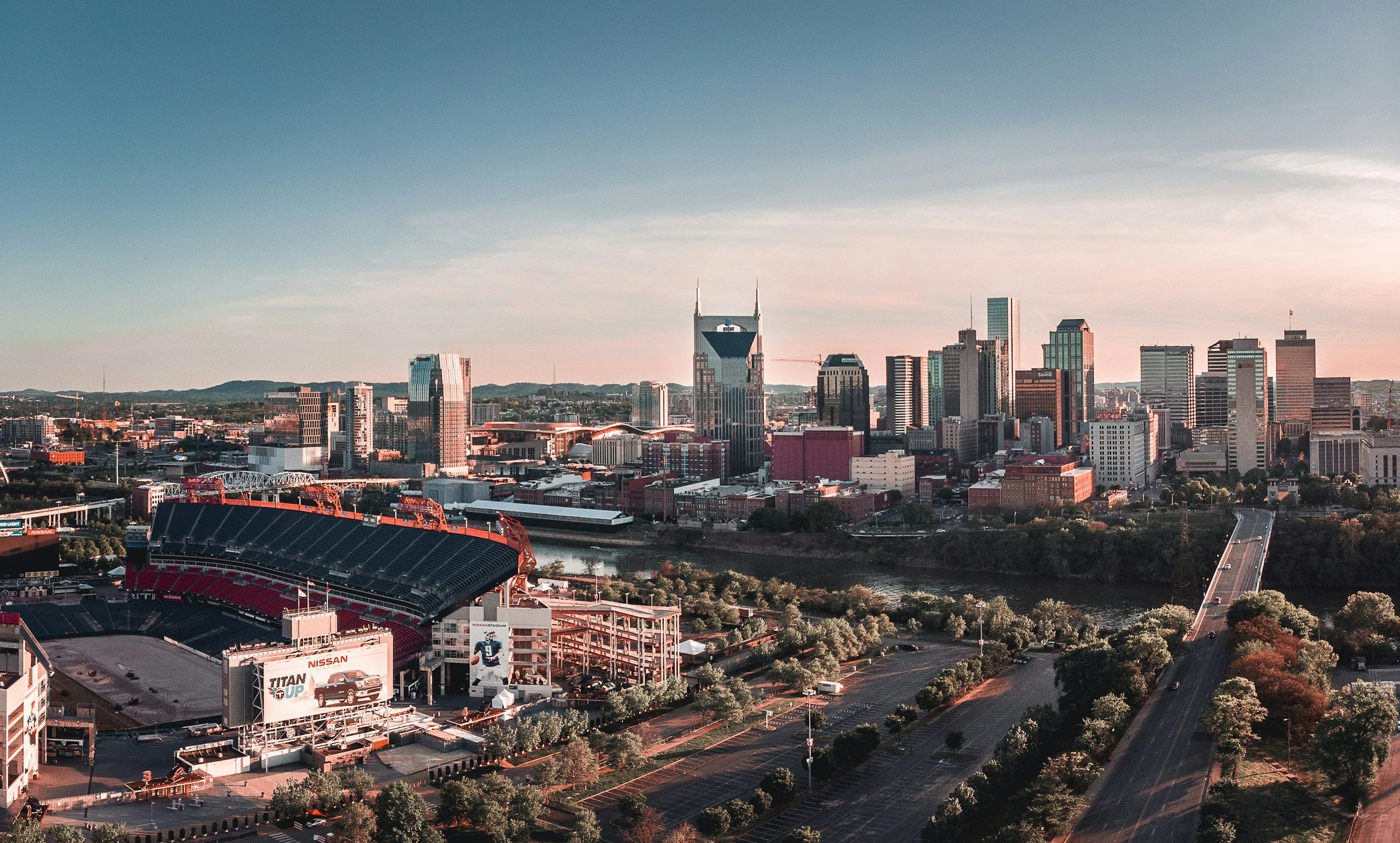
But when you’re navigating eating disorder recovery in Nashville, that performance culture can quietly keep you stuck.
Living in a city built on image, hustle, and visibility means your body can start to feel like part of your brand. And when your worth feels tethered to aesthetics, productivity, and likability, healing can feel like a liability.
It’s not. It’s liberation.
In this post, we’re unpacking what eating disorder recovery actually requires inside Nashville’s entertainment culture—and how to reclaim your body, your hunger, and your aliveness without turning recovery into another performance.
Let’s talk about what no one else is saying out loud.
Why Is Eating Disorder Recovery So Hard in Nashville’s Entertainment Culture?
Eating disorder recovery in Nashville is uniquely challenging because image, body presentation, and likability are closely tied to opportunity and social capital.
Nashville’s entertainment ecosystem runs on visibility.
Whether you’re a musician, stylist, songwriter, therapist, fitness instructor, nonprofit leader, or content creator, there’s an unspoken pressure to be:
Camera-ready
Polished
Relatable
Marketable
And that pressure doesn’t stay on the surface. It seeps into your nervous system.
We'’ve worked with creatives in Nashville who say things like:
“I don’t know who I am without managing my body.”
“If I gain weight, will I still get booked?”
“I know this isn’t healthy… but it feels strategic.”
That’s the trap. Disordered eating can disguise itself as professionalism.
In a city where networking happens at brunches, industry parties, writer’s rounds, and brand events—and where photos are constant—your body can start to feel like a public project.
Recovery requires opting out of that project.
How Does Performance Culture Fuel Disordered Eating?
Performance culture fuels disordered eating by rewarding control, perfectionism, thinness, and emotional suppression.
Let’s name what’s happening.
Nashville’s creative and entertainment spaces often amplify:
Hustle culture
Comparison
Aesthetic branding
Alcohol normalization
Grinding-now-rest-later energy
If you already carry perfectionistic traits, attachment wounds, or a history of trauma, this environment can intensify those patterns.
Disordered eating becomes:
A way to feel in control
A way to manage anxiety
A way to shrink yourself into acceptability
A way to numb or override uncomfortable emotions
And because so many people around you are also dieting, cleansing, optimizing, or “being disciplined,” it can feel normal.
But normal doesn’t mean safe.
One of the hardest parts of eating disorder recovery in Nashville is recognizing that what’s culturally rewarded may be harming you.
What Does Eating Disorder Recovery Actually Require?
Eating disorder recovery requires nervous system safety, relational support, and a shift from performance to presence.
Recovery is not just about eating more consistently or interrupting restrictive patterns.
It’s about:
Rebuilding trust with your body
Regulating your nervous system
Repairing attachment wounds
Untangling identity from body size
Releasing the belief that control equals worth
And in a city that constantly asks you to be “on,” recovery asks you to practice being off.
That means:
Eating when you’re hungry, even if it’s inconvenient
Resting when your body asks for it
Allowing your body to change if it needs to
Opting out of body commentary in social spaces
Setting limits around triggering environments
This is not weakness. This is integrity.
Can You Recover From an Eating Disorder and Stay in the Entertainment Industry?
Yes—but it requires boundaries, community, and therapy that understands performance culture.
You do not have to abandon your creative work to heal.
But you may need to:
Redefine what success means
Re-evaluate certain environments
Stop tying opportunity to aesthetics
Strengthen boundaries around your time and energy
Recovery in Nashville doesn’t mean disappearing from culture. It means engaging from a grounded place instead of a survival state.
When your brain and body are nourished, your creativity expands. Your voice strengthens. Your presence deepens.
Malnourishment shrinks your world. Nourishment expands it.
If your career is built on creativity, your body is not the enemy. It’s the instrument.
How Do You Know If It’s Disordered Eating or “Just Industry Pressure”?
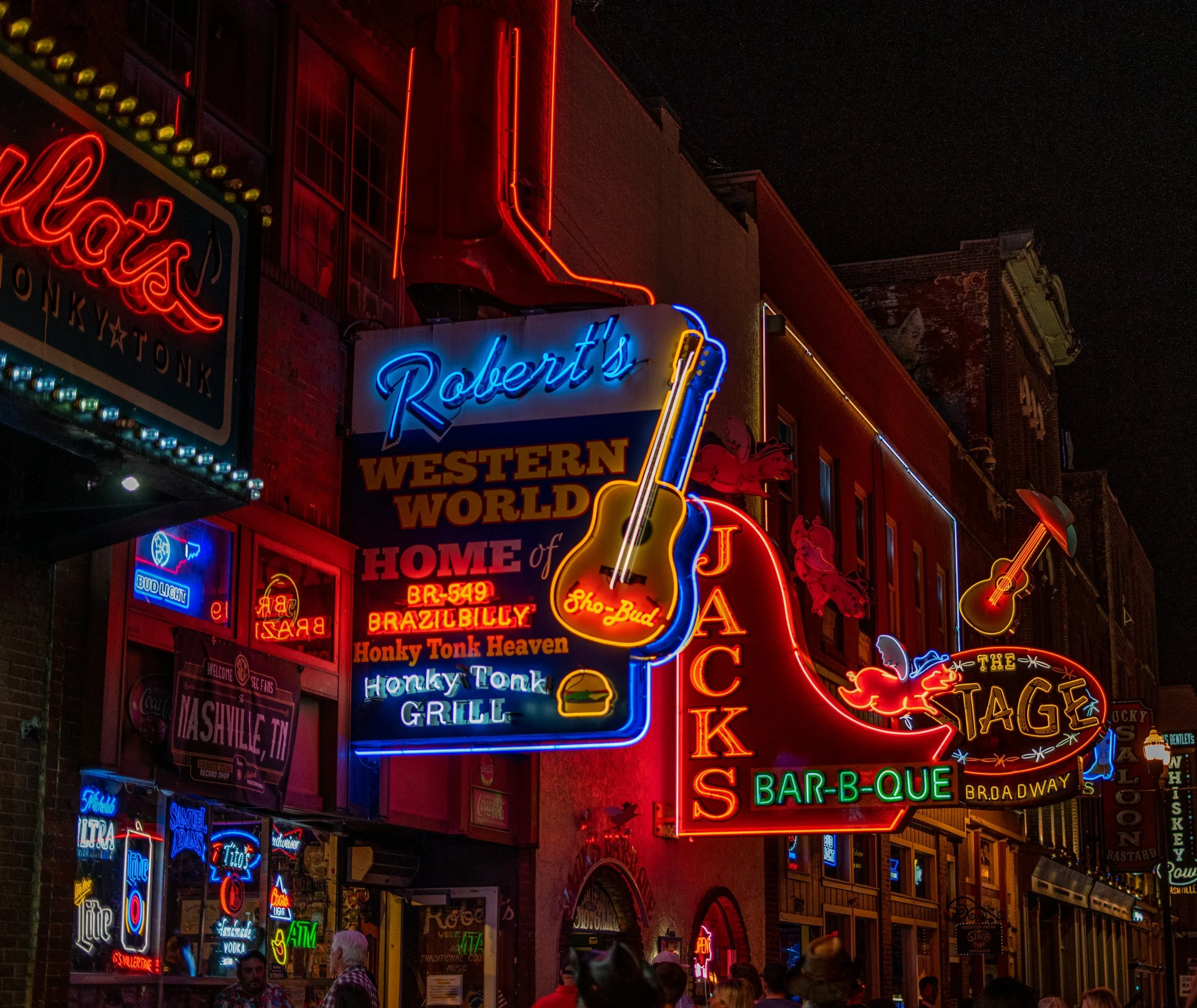
If thoughts about food, weight, or body image consume daily mental space and impact your mood or relationships, it’s likely disordered—not just industry norms.
Here are some signs that it’s more than “just the culture”:
Skipping food to feel more in control
Anxiety about being photographed
Compulsive exercise tied to guilt
Cycles of overeating followed by restriction
Avoiding social events because of food
Assigning moral value to what you eat
The entertainment industry may normalize these patterns—but normalization does not equal health.
At The Gaia Center, we often say: if it costs you your aliveness, it’s too expensive.
How Does Nervous System Healing Support Eating Disorder Recovery?
Nervous system healing reduces the survival responses that often drive restriction, bingeing, or compulsive control.
Many eating disorders develop as adaptive responses to stress, trauma, or chronic insecurity.
When your nervous system is stuck in fight, flight, or freeze, food can become:
A control mechanism
A numbing strategy
A threat
Somatic and embodied therapy help your body learn:
Hunger is not danger
Fullness is not failure
Body changes are not catastrophe
Visibility is not inherently unsafe
This is slow, relational work. It is not a 30-day reset.
But it is sustainable.
If you’ve already done cognitive therapy and still feel stuck, that doesn’t mean you failed. It may mean your body needs a different kind of support.
What Makes Eating Disorder Recovery at The Gaia Center Different?
Our approach to eating disorder recovery in Nashville centers embodiment, relational depth, and values alignment—not symptom management alone.
Many clients who find us have already tried traditional approaches. They’ve done worksheets. They understand the psychology. They can explain their patterns clearly.
But insight wasn’t enough.
Because eating disorders aren’t just about distorted thoughts. They are often nervous system adaptations shaped by trauma, perfectionism, identity safety, and cultural pressure.
At The Gaia Center, we integrate:
Somatic therapy
Attachment-focused work
Sex-positive and body-liberation frameworks
Justice-aware mental health care
Nervous system education
We openly acknowledge Nashville’s performance culture and how it impacts body image. We don’t pretend your struggles exist in isolation from the world around you.
Healing happens in relationship—to yourself, to others, and to the systems you move through.
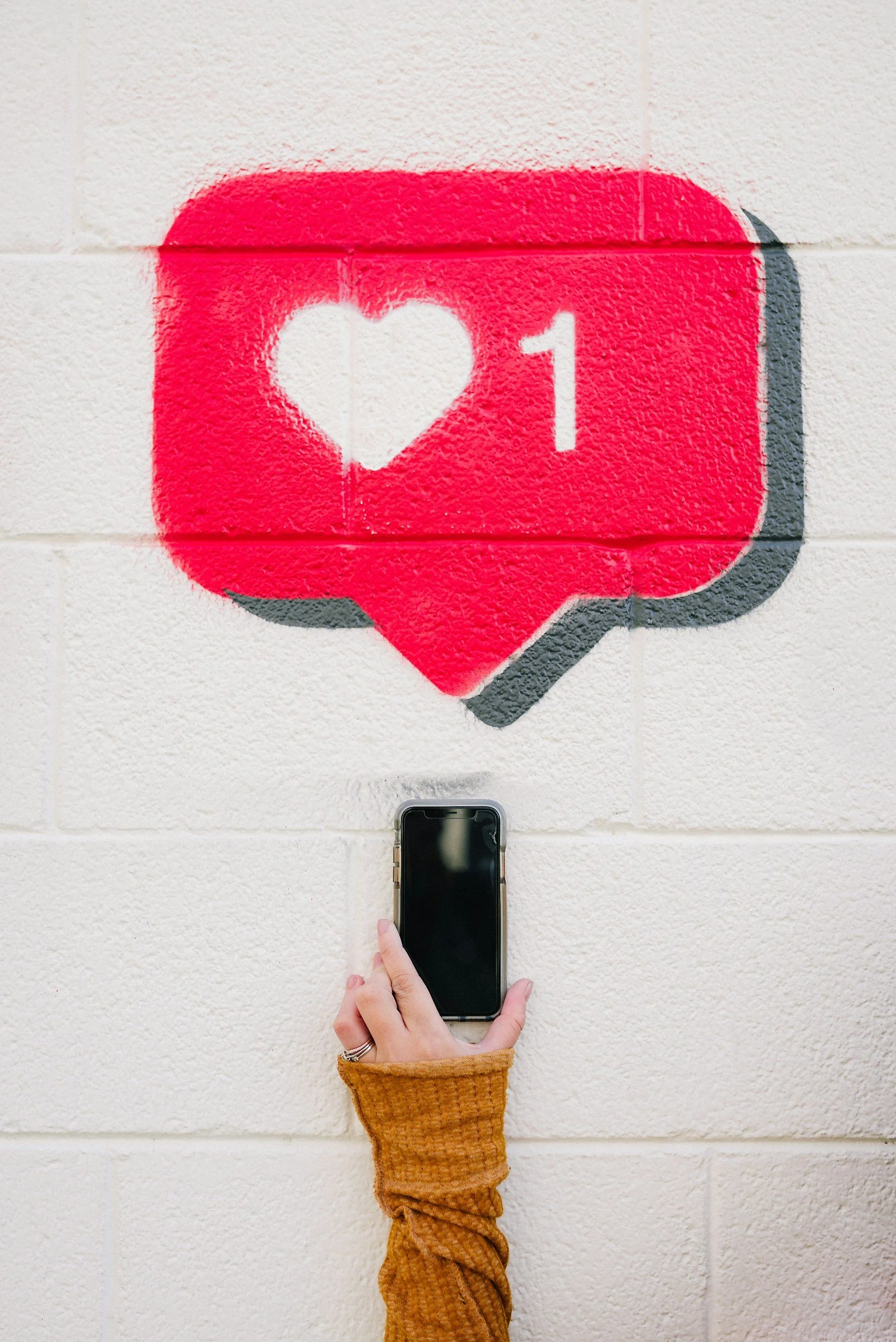
What About Social Media and Image Pressure in Nashville?
Curating your media environment is a critical part of eating disorder recovery in Nashville’s entertainment culture.
When aesthetics drive branding, social media can quietly reinforce relapse patterns.
Consider:
Unfollowing triggering accounts
Muting body-focused content
Limiting scrolling before industry events
Diversifying your feed with body-neutral or body-liberation voices
Recovery may include stepping back from environments that monetize insecurity.
Yes, that can feel professionally scary.
But your mental health is not negotiable.
You Don’t Have to Perform Your Healing
In a performance-driven city, even recovery can become performative.
You might feel pressure to:
Heal quickly
Be the “inspiring” one
Turn your pain into content
Package your story for consumption
You don’t owe anyone that.
Eating disorder recovery in Nashville means learning how to:
Eat without justification
Rest without apology
Exist without shrinking
Create without self-punishment
It means letting your body be a body—not a billboard.
If you’re ready to stop managing symptoms and start rebuilding your relationship with your body in a way that feels grounded, embodied, and aligned with your values, we’d be honored to support you.
Because you deserve more than looking okay.
You deserve to feel alive.
We offer individual, couples, family, and group therapy in-person at our office in West Nashville or virtually across the state of Tennessee. Schedule a free 15-minute consultation call or initial session today.
