
What does it actually mean to create a safe and affirming space for someone? (Hint: it takes a hell of a lot more than a rainbow sticker on your office door.) For LGBTQIA+ and BIPOC (Black, Indigenous, and People of Color) communities, finding mental health care that feels genuinely supportive, accessible, and culturally responsive can be an exhausting process. And when the very systems that are supposed to facilitate healing perpetuate the harm people are trying to heal from, we've got some work to do. In this episode of But For Real, we're getting into the intersection of identity, mental health, systemic oppression, and the incredible power of community.
We’re joined by the fabulous Ashley Hampton, co-founder and clinical director of Hampton House Counseling and co-founder and executive director of Healing in the Margins, a Tennessee-based nonprofit dedicated to creating more equitable mental health care for marginalized communities. Ashley is also a certified clinical supervisor and adjunct professor at Vanderbilt University, where she helps develop the next generation of culturally responsive clinicians. Her work extends far beyond the therapy room, addressing systemic barriers to care and creating opportunities for Black, Brown, and queer folks to experience healing, connection, and belonging. Needless to say, we were VERY excited to have her in the studio.
What Does Affirming Mental Health Care Actually Look Like?
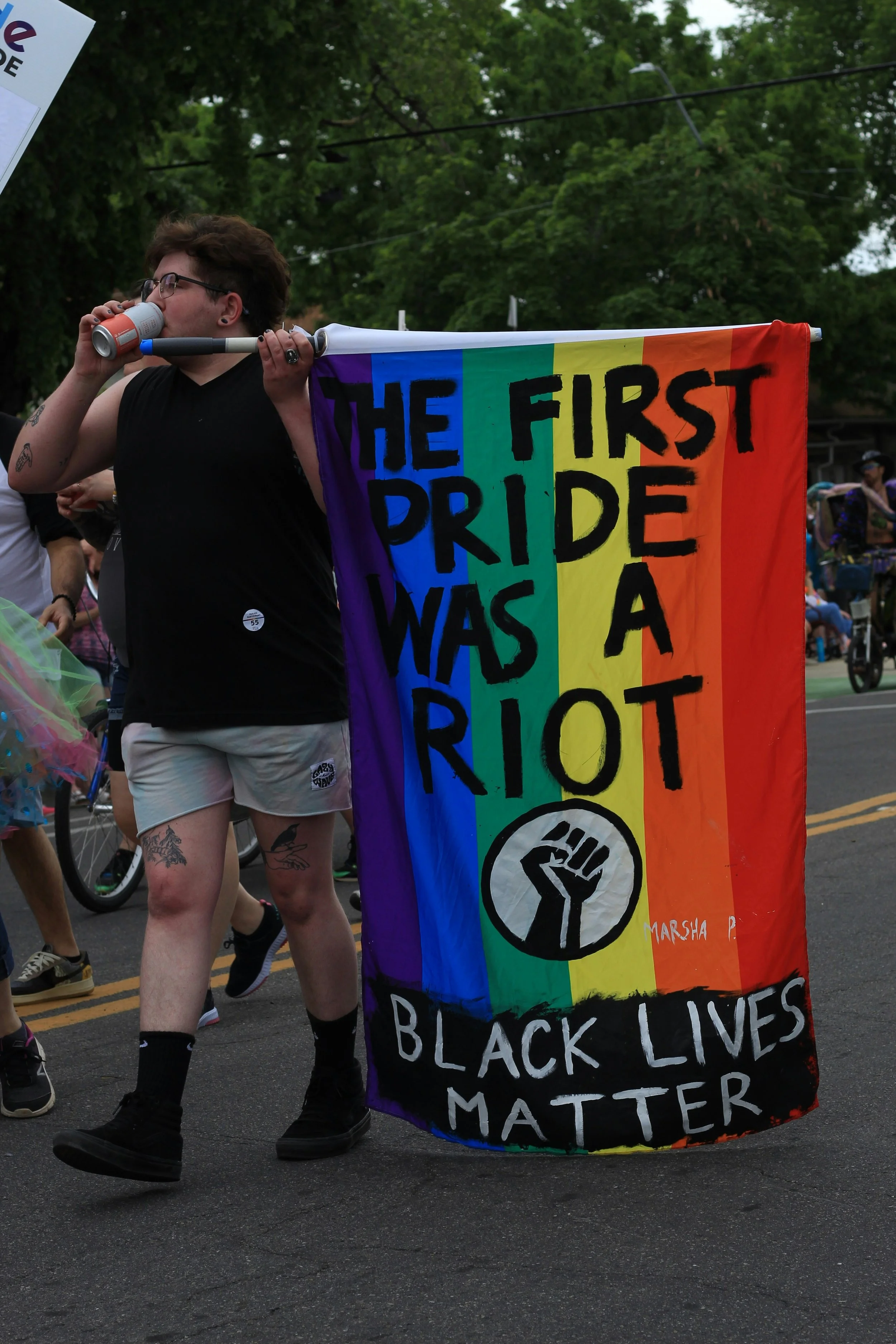
One of the things Ashley shares about her professional journey is that so many of the spaces she's created are spaces she didn't have access to herself. During her clinical education, she lacked representation among her educators and supervisors, which meant she wasn't adequately equipped to address some of the unique experiences of the communities she would eventually serve. And while shared lived experience can be incredibly valuable in the therapeutic relationship, it isn't a substitute for specialized clinical training. Two people can share multiple marginalized identities and still have wildly different experiences of navigating the world. Being a culturally responsive therapist requires ongoing education, humility, curiosity, and a willingness to examine what you don't know.
As Ashley puts it, “Safety is not an afterthought.” Creating an affirming therapy practice means building that commitment into its foundation rather than trying to retrofit inclusivity into an existing system. It's about who you hire, whose expertise you value, how you invest in your clinicians, and the relationships you cultivate within your community. And for organizations that proudly proclaim their allyship every June, it's worth asking what that commitment looks like during the other eleven months of the year. Because your aesthetically pleasing Pride Month Instagram post may be cute, but are you actually walking the walk? 👀
Why Mental Health Is a Social Justice Issue
We can't have a meaningful conversation about mental health without acknowledging the environments in which people are trying to maintain it. Racism, homophobia, transphobia, financial inequity, and other forms of systemic oppression aren't separate from someone's psychological wellbeing. These experiences can profoundly shape a person's sense of safety, belonging, and ability to access support in the first place. Therapy that exclusively focuses on individual coping strategies without acknowledging these larger realities risks overlooking some of the very circumstances contributing to a person's distress. Sometimes the work isn't about helping someone better tolerate their environment—it's about changing the environment itself.
This is part of what makes Ashley's work through Healing in the Margins so impactful. Rather than addressing just one piece of the problem, the organization approaches mental health equity from multiple angles, including financial assistance for therapy, specialized training for clinicians, and community partnerships. Ashley explains how creating Hampton House Counseling brought her face-to-face with the limitations of building an affirming practice when access to advanced clinical training remained inequitable. How do we expect therapists to adequately serve marginalized communities when the therapists themselves face barriers to receiving the education they need? Creating sustainable change means investing in both the people receiving care AND the people providing it.
Coming Out, Pride Month, and the Pressure to Be Visible
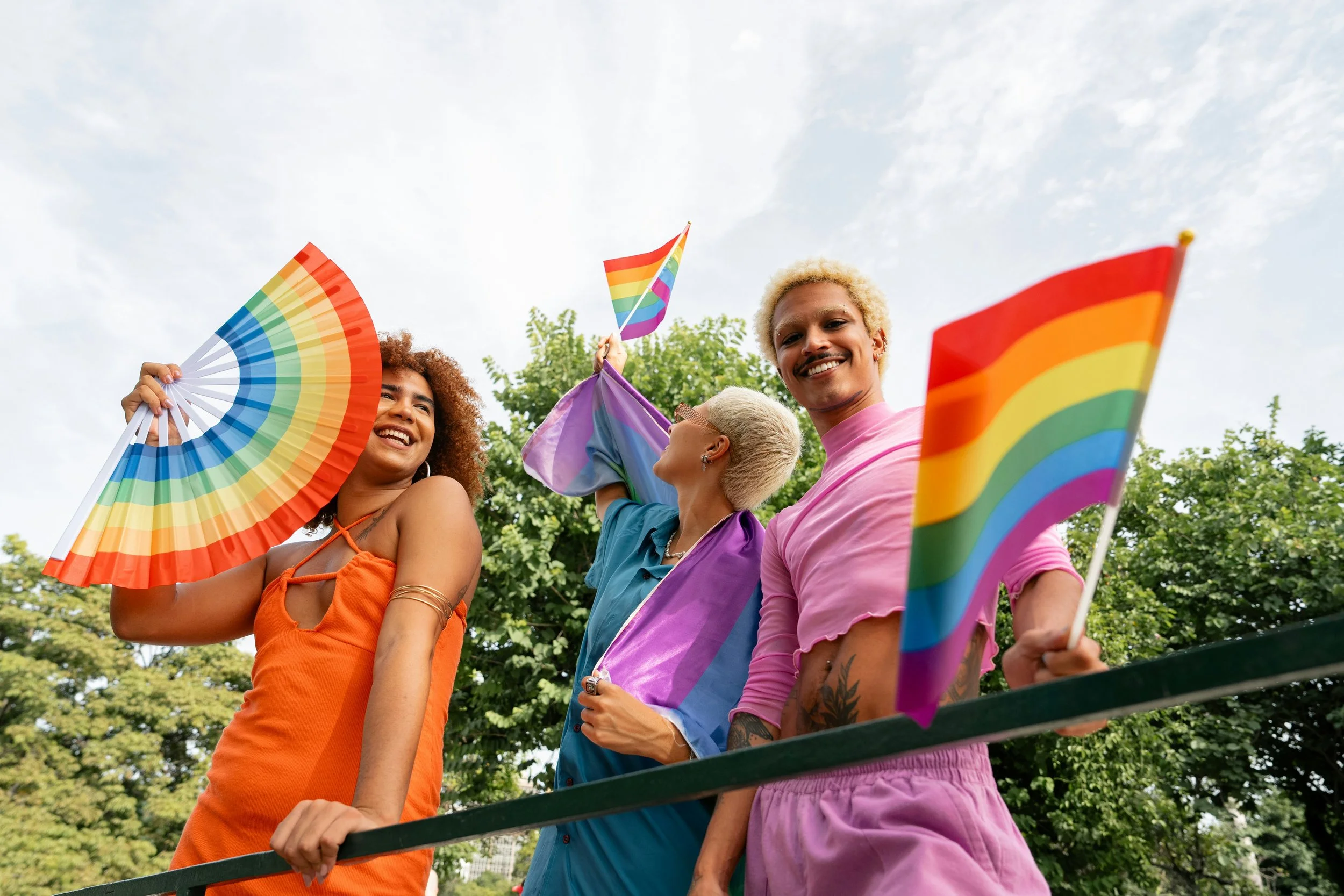
In our Step Into My Office segment, we hear from a listener who's been out to their parents and friends for several years but hasn't told their grandmother that they're gay. They’re navigating the complicated feelings of wanting to be fully known by someone they love while fearing that their relationship might fundamentally change if they disclose their identity. Ashley offers a beautiful distinction between the genuine longing to be known and the perceived obligation to come out. Getting curious about which of those motivations is driving your decision can help you determine what feels most aligned with your needs, desires, and circumstances. You get to make that decision for yourself, regardless of what anyone else thinks your coming-out journey should look like!
We also unpack the unexpected pressure that can come with Pride Month itself. Between the celebrations, social media posts, events, and coming-out stories, there's sometimes an unspoken expectation that you need to be doing something BIG to adequately celebrate your identity. But when did Pride become another item on our collective to-do list?? You don't need to make a proclamation, attend every event, or disclose deeply personal information to prove that you're proud of who you are. Pride can simply be about experiencing joy, connecting with the people who love you, and allowing yourself to exist on your own terms.
Healing Through Community, Connection, and Collective Joy
One of our favorite parts of this conversation is exploring the richness and joy that exist within marginalized communities. So often, conversations about LGBTQIA+ and BIPOC mental health center exclusively on trauma, discrimination, and survival—and while those realities absolutely deserve attention, they aren't the entirety of people's experiences. Ashley reflects on the profound sense of connection and camaraderie she's discovered through her community-based work that she hadn't experienced in the same way through years of providing individual therapy. There is something incredibly healing about gathering with people who understand aspects of your experience without requiring an explanation. And there is tremendous value in creating spaces where people can celebrate, dream, rest, and experience pleasure together.
We also talk about the importance of this work happening right here in Tennessee. It's easy for people outside the South to make sweeping generalizations about the region without considering the incredible communities, advocates, and changemakers who are actively working to make it a more equitable place to live. Black, Brown, and queer Southerners deserve access to affirming mental health care without having to leave their homes or communities behind. Ashley's work is a powerful example of what's possible when people recognize unmet needs within their communities and commit to addressing them. And while building these systems takes considerable time, resources, and collective investment, it opens up possibilities for healing that extend well beyond any individual therapy session.
Ashley also speaks to something that resonates deeply with us as therapists: when so much of your energy is devoted to surviving and serving others, there can be very little left over for dreaming, connecting, or experiencing joy yourself. This is especially relevant for clinicians from marginalized communities who feel a deep responsibility to care for their communities while also navigating their own financial and emotional realities. The answer can't be another self-care routine squeezed into an already overextended schedule. We need sustainable systems of support that allow people to receive care as readily as they give it. What might become possible if more of us had the resources and spaciousness to move beyond survival?
Meet Ashley Hampton
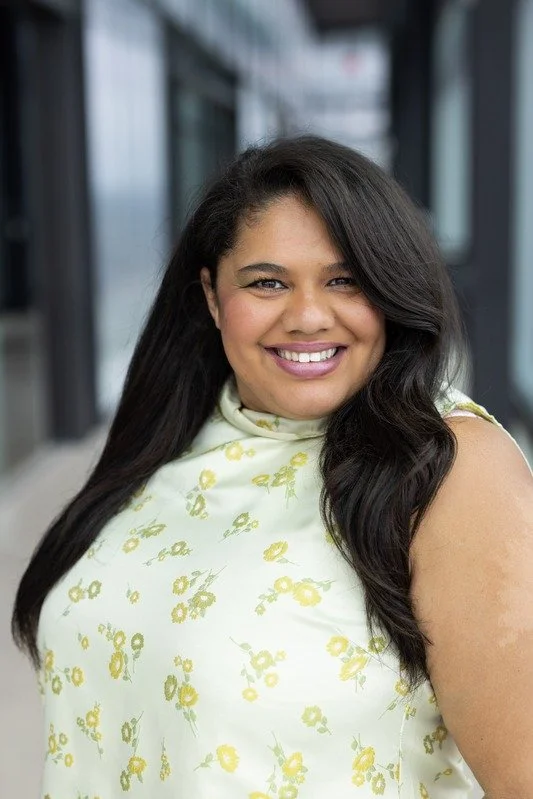
Ashley Hampton is a therapist, educator, and advocate who is passionate about creating equitable, accessible, and affirming mental health care for marginalized communities. She is the co-founder and clinical director of Hampton House Counseling and the co-founder and executive director of Healing in the Margins, a Tennessee-based nonprofit dedicated to supporting the mental health and wellbeing of LGBTQIA+ and BIPOC communities. As a certified clinical supervisor and adjunct professor at Vanderbilt University, Ashley also helps cultivate the next generation of culturally responsive mental health professionals. Her work sits at the intersection of mental health, identity, social justice, and collective healing. Through her clinical work, advocacy, and community-building efforts, Ashley is committed to creating spaces where marginalized individuals can feel genuinely seen, supported, and empowered to thrive—not just survive.
But for real - We want a world where marginalized people have more opportunities to thrive, not just more tools to cope with marginalization. That means expanding access to culturally responsive therapy, investing in community-based resources, and recognizing that healing is both an individual and a collective process. It also means making room for the abundance, creativity, connection, and joy that exist alongside the very real challenges people face. As Ashley reminds us, there is so much possibility for happiness and connection on the other side of healing, when there's space for it. And THAT is a future worth investing in.
Whether you're navigating your own identity and mental health journey, a clinician wanting to provide more affirming care, or someone looking for meaningful ways to support marginalized communities, we hope this conversation leaves you with something to reflect on. We encourage you to get curious about the resources available in your own community and where there might be opportunities to help fill the gaps. We're so grateful to Ashley for sharing her wisdom, passion, and perspective with us. Tune into the full episode of But For Real for all the goodness, nuance, and our usual dose of shenanigans 🏳️🌈❤️