Body Positivity, Body Neutrality, and the Current Cultural Backslide of Fatphobia
By Emerson Ryder, MS
If you’re plus size or fat and feeling more visible, more judged, more tired — you’re not imagining it.
Did anyone else wake up a few months ago with the realization that our year of 2026 is eerily giving the early 2000’s? 🫠 I may be a 1999 baby, but I’ve been spending the past year in therapy digging through my memory boxes of the mind when it comes to how I’ve been made to feel about my body. Further exploring the innateness of body hatred amongst my women+ peers and within myself has been freeing but challenging, and maybe she’s born with it, maybe it’s low self-esteem (that is quite literally inescapable with being socialized as a woman) but this timeline we’re in is totally fucking weird when it comes to how we talk about our bodies.
I know what you’re thinking! Body positivity and neutrality seemed to be on the rise and more “acceptable” in our society, and although I believe there is some real truth there, the world has never been kind to fat people. I am not a football person, but I of course was going to tune in for the 2026 Superbowl Halftime Show (aka Benito Bowl 🇵🇷), and I was not surprised but still disturbed by the dystopian commercials that aired (Mike Tyson I’m talking to you).
So the question is:
How do we navigate body image in a world that is back to praising “heroin chic” and pushing GLP-1 shots and “wellness” disguised as disordered eating and fatphobia down our throats?
Why does body image feel worse lately?
Body image feels harder right now because thinness is being re-glorified through GLP-1 drugs, celebrity culture, and normalized online fatphobia.
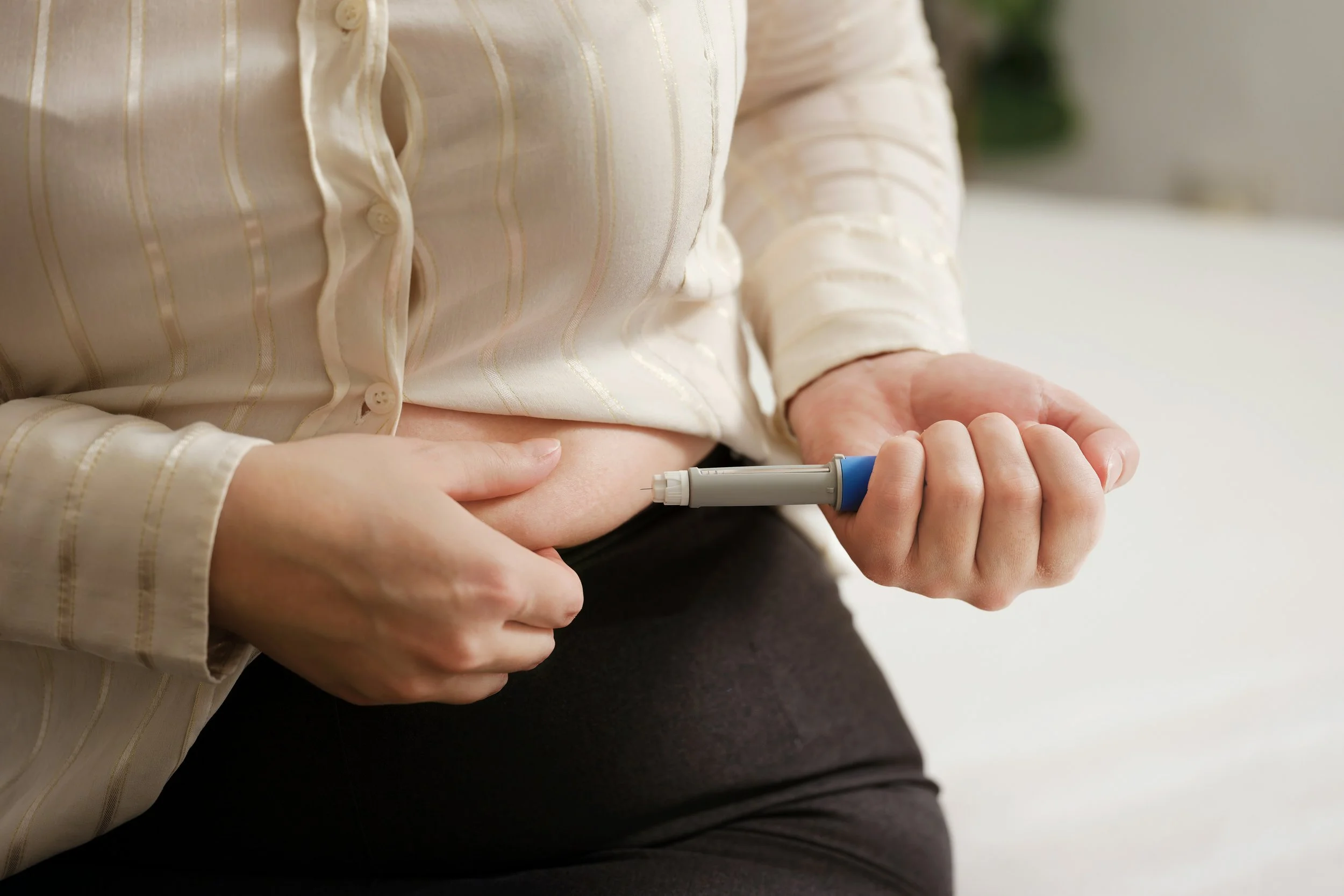
Culturally, we are in a backslide. The rise of GLP-1 👀 like Ozempic and Wegovy have normalized rapid, visible weight loss that the internet or your friend group from high school just CAN’T get enough of. Now, it may seem like I’m leading you down a certain route here, but I want to make myself clear, I do not seek to demonize GLP-1 medications. In fact, this conversation does not exist without nuance (to which social media seems allergic to) because I understand that some people use these medications for legitimate medical reasons that are NONE of my business. I want to point out that our culture does not operate in nuance whatsoever, especially when it comes to the moral standards we place on appearance.
What the collective messaging becomes is: “If you’re still fat… why?” That subtle (and not-so-subtle) pressure reinforces the idea that fat bodies are unfinished projects and something that can now be “fixed” so you’re shamed for not hopping on the pill or shot to “get on board” with everyone else. Add in celebrity shrinkage (Wicked cast, I’m looking at you ), red carpet transformations, and algorithmic thinness dominating TikTok and Instagram feeds and suddenly thinness isn’t just preferred, it’s aspirational again. When bodies become branding, the rest of us absorb the message, and if you live in a fat body, your body becomes a cultural talking point whether you consented to that or not.
To be extra clear, I’m 100% supportive of bodily autonomy and making decisions that best support your wellbeing — but if we ignore the cultural effects of this type of messaging, we’re doing harm.
How is GLP-1 culture impacting body image?
GLP-1 culture reinforces the idea that fat bodies are fixable problems, intensifying comparison, pressure, and internalized shame.
Even if you have zero interest in weight loss, the cultural shift still lands.
We see:
Dramatic before-and-afters
Casual jokes about “finally getting skinny”
Friends and family shrinking rapidly
A new hierarchy of “disciplined” bodies
It subtly reframes fatness as optional, which opens the door for body commentary that most of us are not participating in or asking for. This isn’t about being insecure, it’s about living in a stigmatized body during a cultural resurgence of weight obsession.
The “glow-up” narrative is powerful. As a fat woman who is trying to reframe my fraught relationship with exercise, I can’t escape a few conversations at my local YMCA with well intended people telling me how great I’ll feel “once I lose the weight”. My goals are not weight bound AT. ALL. I simply want to move my body and not feel ashamed about it, but that is an insane concept to my peers that have spent years of self loathing doing circuit after circuit.
Under patriarchy and capitalism, women’s bodies (and femme-presenting bodies) are always projects. There’s always something to refine, reduce, and optimize about your appearance and what a shame that is to feel like you’re never going to be good enough, hot enough, worthy enough, the list goes on.
How do you protect your body image in a fatphobic culture?
Protecting body image requires curating inputs, shifting toward body neutrality, and building community outside patriarchal beauty standards.
You cannot think your way out of cultural messaging, but you can change how much access it has to you.
Here’s where we start:
1. Curate Your Inputs:
PLEASE audit your social media feeds. Mute weight-loss content as it appears in excess. Unfollow accounts that center before-and-afters, diet culture and other harmful rhetoric that you know makes you feel like shit.
Actively follow fat creators living full, textured lives surrounding your interests. Find the big girls making gym content or fellow fat yogi’s, find your style inspo from women that share your body type and tips on where to shop.
Your brain is responsive, deem something interesting and your brain will normalize what you repeatedly see.
2. Shift From Appearance to Function
Instead of “How do I look?” try:
What does my body allow me to experience?
Where do I feel strength?
What sensations feel good?
This is not about forced gratitude, it’s about shifting from aesthetic surveillance to lived experience.
3. Practice Body Neutrality (Not Forced Positivity)
You do not have to love your body every day.
Body neutrality says:
My body is allowed to exist.
My worth is not conditional.
I don’t need to earn space.
For many people, neutrality is more sustainable than positivity as it allows fluctuation without collapse. Neutrality helps avoid extremes versus feeling like you have to swing from body hate to body love.
4. Expand Your Definition of Health
Health is not JUST a body size.
Health can encompass:
Mental stability
Relational safety
Access to rest
Ability to move in ways that feel good
Reduced shame
Weight-inclusive care frameworks such as Health At Every Size remind us that behaviors and well-being matter more than aesthetics. If your “health goals” are rooted in self-hatred, they’re not health goals.
5. Build Community That Gets It
Isolation intensifies shame.
Your community might look like—
Therapy spaces
Fat-positive groups
Queer-affirming communities
Friends who refuse diet talk
Being around people who do not treat your body as a problem changes everything. At The Gaia Center, we hold space where bodies are not projects, they are lived-in homes.
You do not need to shrink to deserve support.
What if I still feel ashamed or triggered?
Feeling triggered doesn’t mean you’ve failed at body acceptance; it means you’re human in a culture that relentlessly glorifies thinness.
Body grief is cyclical.
You can:
Be politically aware
Understand fatphobia structurally
Have done years of healing
…and still feel a sting when the culture shifts.
That doesn’t mean you’re regressing, it means the messaging is loud. Healing isn’t about never feeling activated, it’s about not collapsing into self-blame when you do.
You Are Not the Problem
Fatphobia didn’t disappear, it was rebranded and repackaged. When the culture screams “optimize,” choosing to exist as you are can feel radical and exhausting at the same time.
But your body is not a trend, a moral referendum or a failure to evolve. It is not a project awaiting completion.
You deserve to take up space — in rooms, in photos, in intimacy, in joy — without apology.
Not when you’re smaller. Not when you’re more “disciplined”. Now.
If navigating body image in this cultural moment feels heavy, you don’t have to do it alone. Our work in individual therapy, group spaces, and embodied healing is rooted in helping you move from self-surveillance toward self-belonging. Through therapy that goes beyond the surface, you can start to unlearn both personal and systemic patterns that are keeping you stuck vs. just looking for the next quick fix.
Because shrinking isn’t the same thing as healing, and you were never meant to live as a before photo.