Mental health conversations often focus on individual responsibility: go to therapy, build coping skills, practice mindfulness, improve your habits. These tools matter, but when healing becomes entirely self-directed, we miss something essential.
Healing and mental wellness do not exist in a vacuum.
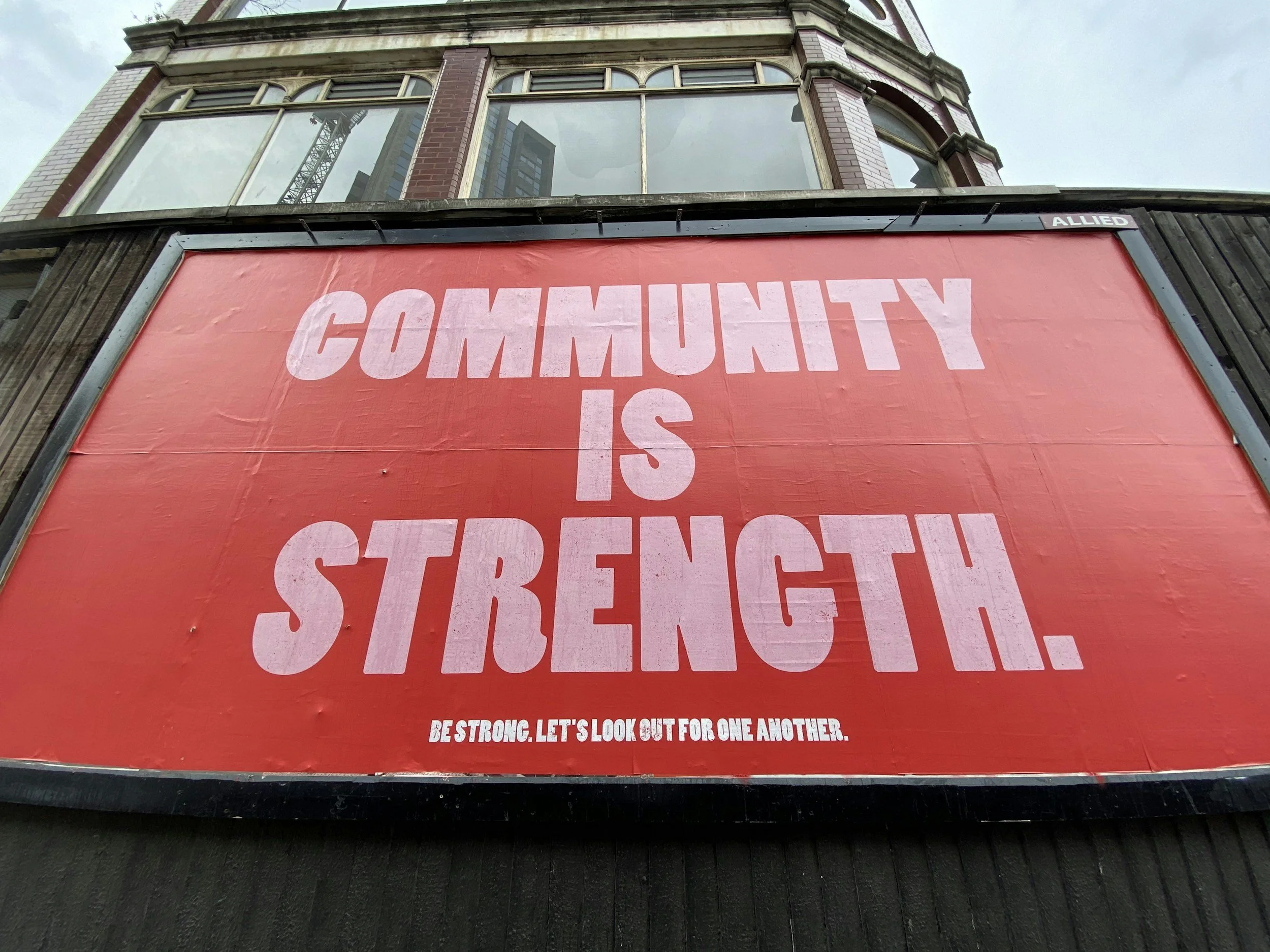
Community care plays a critical role in emotional regulation, resilience, and long-term psychological well-being. If you’ve been trying to “do the work” on your own and still feel stuck, overwhelmed, or isolated, it might be because we are wired for connection.
Community care refers to the mutual support people provide within relationships, families, neighborhoods, and social groups.
It goes beyond professional services and focuses on shared responsibility for well-being. These may include: peer support groups, faith or spiritual communities, mutual aid networks, chosen family and close friendships, and even supportive workplaces.
Community care is not a replacement for therapy or psychiatric support, but complements clinical care by reinforcing connection, accountability, and belonging outside of formal treatment settings.
It is important to remember that most psychological wounds occur within relational or systemic contexts: family dynamics, social exclusion, trauma, discrimination, neglect, or attachment disruptions. Because distress often develops in a relationship, it is often repaired in a relationship. We know that the nervous system is supported through co-regulation, social connection reduces chronic anxiety, and isolation can increase vulnerability to mental health symptoms. This means that healing is physiological and relational, not just cognitive.
While therapy provides psychoeducation and practical interventions as well as a confidential processing space, community care provides ongoing connection, accountability, shared support, and a sense of belonging, which is one of our most primal needs. When combined, these approaches strengthen mental health outcomes significantly more than either alone.
If you find it difficult to ask for help or participate in community, that is not a personal failure. It is often a protective adaptation. However, long-term healing may require slowly re-engaging in safe relational spaces.If you want to strengthen your support system, consider:
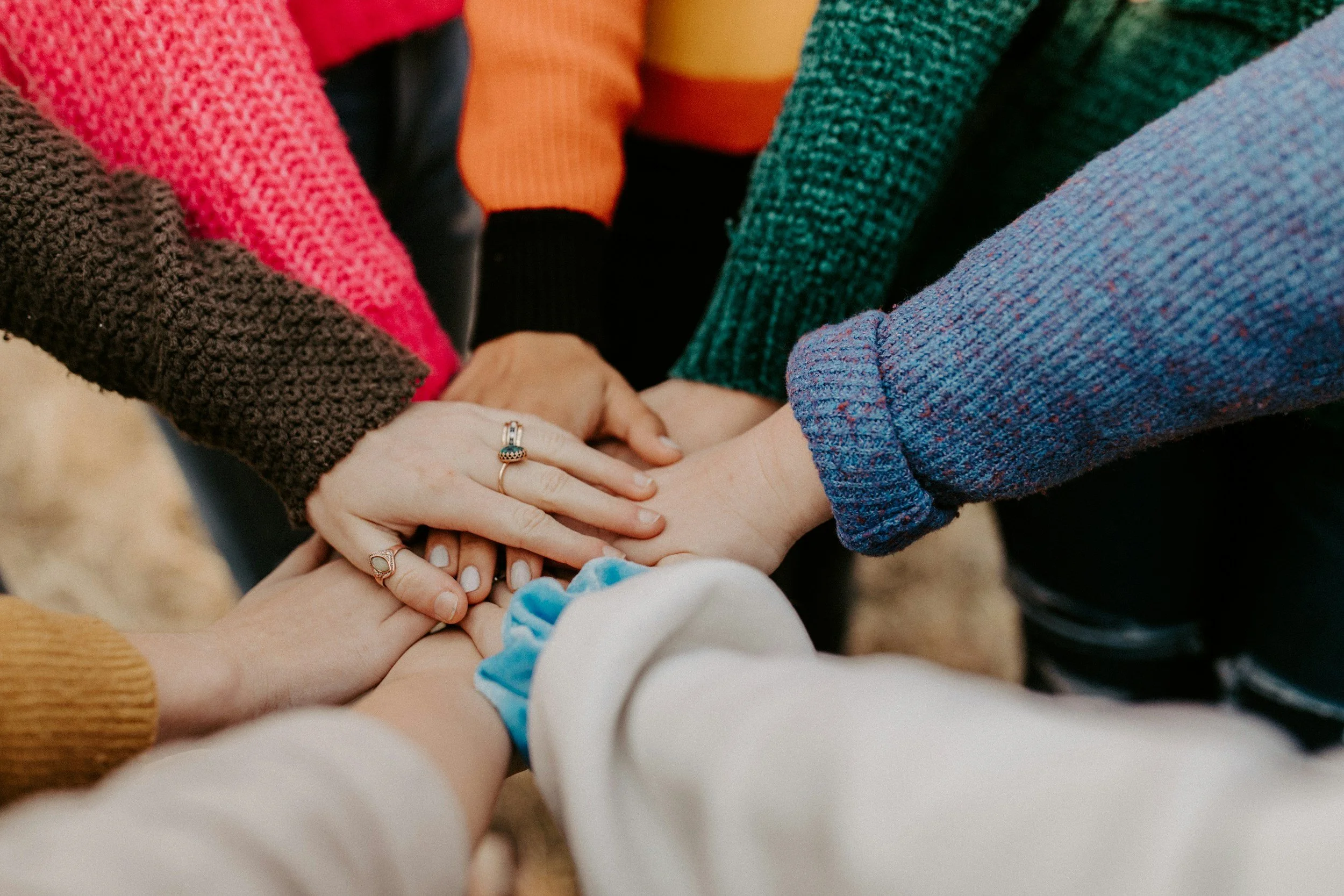
Joining a structured group (support group, class, or community event).
Reaching out to one trusted person and being honest about how you’re doing.
Participating in volunteer or service-based work.
Engaging in peer-led mental health spaces.
Scheduling regular connection rather than crisis-based contact.
Healing in isolation is significantly harder than healing in connection.
You can develop coping skills, insight, and self-awareness independently. But long-term emotional resilience is reinforced through shared experience and relational safety.
You do not have to carry your mental health alone. Support is part of how humans are designed to thrive. We would be honored to support you in-person at our office in West Nashville or virtually across the state off Tennessee.
Schedule a free 15-minute consultation call to start your Nashville therapy journey today.
